Creating 3D Text Effects in Cloud PSD for Modern Design Projects
Designing with Cloud PSD offers a powerful platform for creating visually striking 3D text effects that can elevate any project. Whether you're working on digital art, branding materials, or web graphics, the ability to generate dynamic 3D text within Cloud PSD provides a versatile toolset. This approach combines creativity with technical precision, allowing designers to explore new dimensions in their work.
Understanding 3D Text Effects in Cloud PSD
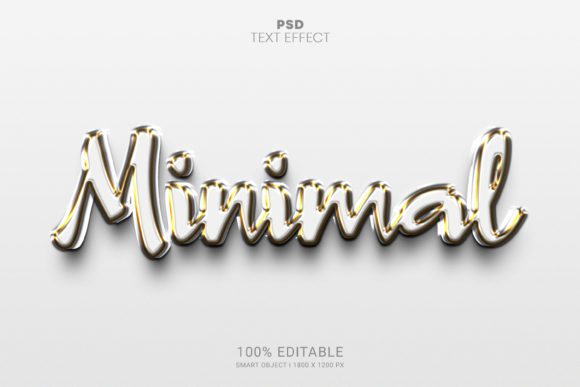
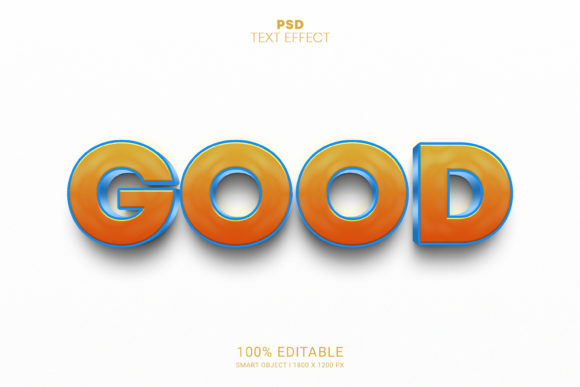
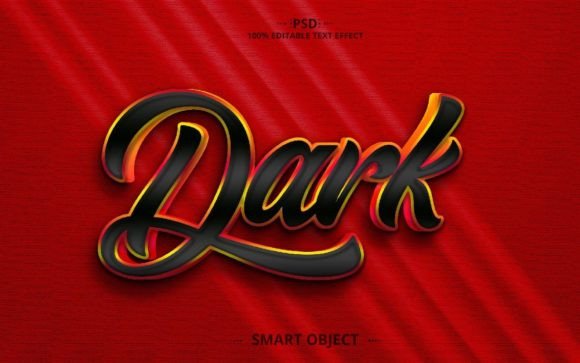
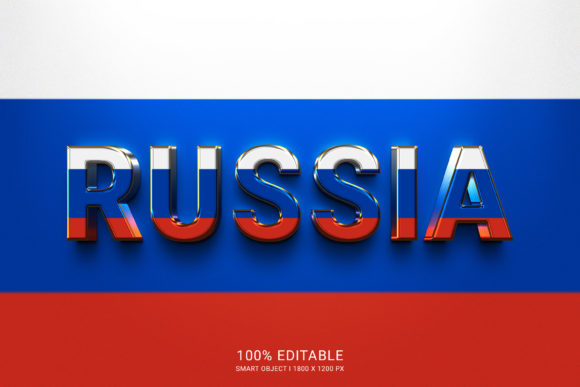
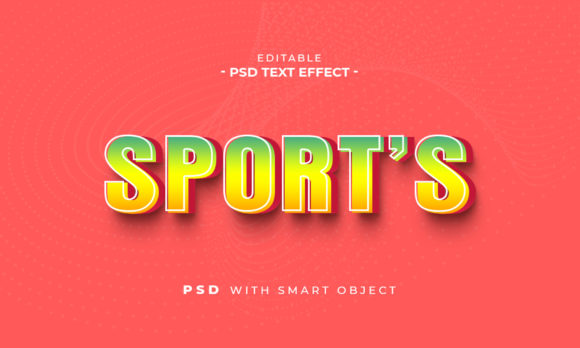
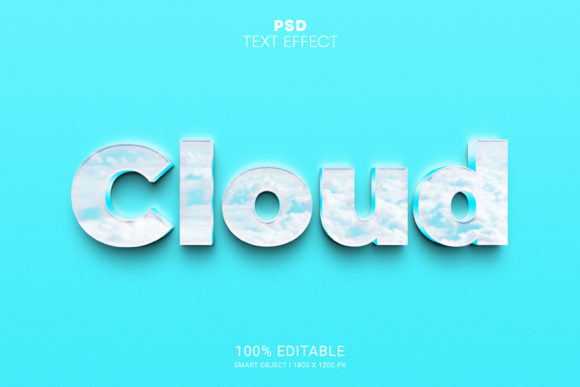
Cloud PSD enables users to apply 3D effects to text by leveraging built-in tools and layers. Unlike traditional 2D text, 3D text adds depth, dimension, and realism, making it ideal for eye-catching visuals. The process involves manipulating text layers, applying bevels, extrusions, and lighting effects to create a three-dimensional appearance.
One of the key advantages of using Cloud PSD for 3D text is the flexibility it offers. Users can adjust parameters such as depth, angle, and material properties to achieve the desired effect. This level of control ensures that the final design aligns with the creative vision while maintaining technical accuracy.
Key Features of 3D Text in Cloud PSD
- Layer Manipulation: Cloud PSD allows users to work with multiple layers, enabling complex compositions that include 3D text alongside other design elements.
- Lighting and Shading: Advanced lighting options help simulate real-world environments, adding depth and realism to 3D text.
- Material Properties: Applying different textures and finishes enhances the visual appeal, making the text look more lifelike.
- Export Flexibility: Once the 3D text is created, it can be exported in various formats suitable for different platforms and applications.
Practical Applications of 3D Text Effects
The use of 3D text effects extends beyond just aesthetic appeal. In marketing and advertising, 3D text can be used to create compelling headlines and logos that stand out. For example, a tech company might use 3D text to emphasize innovation and modernity in its branding materials.
In the gaming industry, 3D text is often used for UI elements, titles, and in-game messages. The immersive nature of 3D text helps enhance the overall user experience, making the interface more engaging and intuitive.
For educational purposes, 3D text can be incorporated into presentations and infographics to draw attention to key points. It provides a way to visualize data and concepts in a more dynamic manner, aiding in better comprehension and retention.
Case Studies and Real-World Examples
Several successful projects have demonstrated the effectiveness of 3D text in Cloud PSD. A notable example is a digital art exhibition where artists used 3D text to create interactive installations. These installations combined visual storytelling with technology, offering audiences a unique and memorable experience.
Another example comes from the fashion industry, where designers use 3D text to create bold and innovative logos. By integrating 3D text into their branding, these designers differentiate themselves in a competitive market, attracting attention through visual impact.
Best Practices for Creating 3D Text in Cloud PSD
To get the most out of Cloud PSD’s 3D text capabilities, it's essential to follow best practices. Start by selecting the right font that complements the design. A bold, geometric font may work well for a high-energy project, while a more elegant script could suit a luxury brand.
Next, consider the composition. Place the 3D text in a way that balances the overall layout. Avoid overcrowding the design, and ensure that the text remains the focal point. Use background elements to support the 3D text without overshadowing it.
Lighting plays a crucial role in achieving a realistic 3D effect. Experiment with different light sources and angles to find the optimal setup. This step can significantly influence the mood and visual impact of the design.
Common Challenges and Solutions
One common challenge when working with 3D text is achieving the right balance between detail and performance. Overly complex 3D effects can slow down the software and affect workflow. To address this, simplify the design where possible, focusing on key elements that contribute most to the visual impact.
Another challenge is ensuring consistency across different platforms. When exporting 3D text for use in web or mobile applications, test the design on various devices to confirm that it displays correctly. Adjust settings as needed to maintain quality and clarity.
Future Trends in 3D Text Design
The field of 3D text design is continuously evolving, driven by advancements in software and hardware. As Cloud PSD continues to update its features, users can expect even more sophisticated tools for creating and manipulating 3D text. These improvements will likely make the process more intuitive and accessible to a broader audience.
Additionally, the integration of artificial intelligence and machine learning into design software may introduce new possibilities for automating certain aspects of 3D text creation. This could lead to faster workflows and more creative freedom for designers.
As trends shift towards more immersive and interactive experiences, the demand for high-quality 3D text is expected to grow. Designers who stay informed about these developments will be better equipped to adapt and innovate in their work.