Envelope Dieline Template Design: A Practical Guide for Better Results
Envelope dieline template design is a crucial step in the packaging and printing process, especially for businesses looking to create custom envelopes. Whether you're a small business owner, a designer, or a marketer, understanding how to effectively use these templates can save time, reduce errors, and improve the final product. However, many people overlook key details that can lead to costly mistakes. This article explores what envelope dieline templates are, common pitfalls, and how to avoid them.
What Is an Envelope Dieline Template?
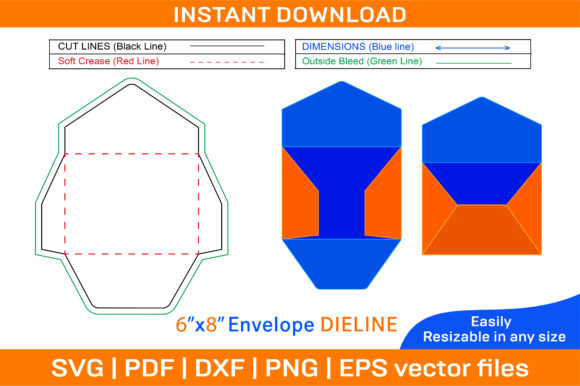
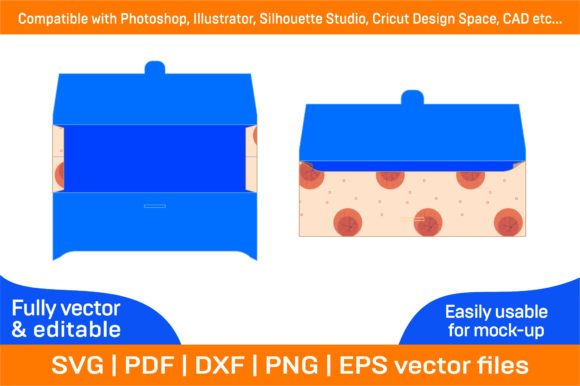
An envelope dieline template is a precise layout that outlines where folds, cuts, and seams will be made on a flat sheet of paper before it’s folded into an envelope. These templates act as a blueprint for printers, ensuring that the final product matches your vision. They include measurements, fold lines, and areas for windows, flaps, and seals.
For those new to envelope design, it's easy to assume that any template will work. But not all dielines are created equal. The right template depends on the type of envelope, its size, and the materials used. Choosing the wrong one can result in misaligned folds, poor fit, or even wasted materials.
Common Mistakes When Using Envelope Dieline Templates
One of the most frequent mistakes is not verifying the template’s specifications against the actual envelope design. Many designers assume that a generic template will work, but this often leads to issues like incorrect flap sizes or misaligned windows. For example, if you’re designing a windowed envelope, the dieline must account for the exact position and dimensions of the window to avoid it being too large or too small.
Another common error is ignoring the material thickness. Paper stock varies in weight and flexibility, which affects how the envelope folds. A template designed for thin paper may not work with heavier cardstock, leading to misalignment or structural weakness. Always check the recommended paper weight for your chosen template.
Some users also neglect to consider the printing process. If you’re using a digital printer, the template must align with the printer’s capabilities. For instance, certain dielines may require specific bleed areas or margins to prevent ink from being cut off during trimming. Failing to account for this can result in uneven edges or missing graphics.
How to Avoid Common Pitfalls
To avoid these issues, start by selecting a template that matches your envelope type, size, and intended use. Many online resources offer free and paid templates tailored to specific needs. Before downloading, check reviews or ask for samples to ensure accuracy. If possible, test the template with a mock-up before proceeding to full production.
Always double-check measurements. Even a small discrepancy can cause problems. Use a ruler or digital measuring tool to verify that all lines and points match your design. Some templates include reference marks or guidelines that help with alignment, so pay attention to those details.
When working with a print provider, communicate clearly about your requirements. Provide them with the template file and ask if they have any recommendations based on their equipment and experience. A good printer can spot potential issues before they become problems.
Key Considerations Before Making a Decision
Before finalizing your envelope dieline template, ask yourself a few important questions. What type of envelope are you creating? Is it a standard business envelope, a custom shape, or something unique? Each requires a different approach. Also, think about the purpose of the envelope. Will it be used for mail, packaging, or promotional purposes? The function can influence the design and template choice.
Consider the audience as well. If the envelope is for a professional setting, simplicity and clarity may be more important than elaborate designs. For creative projects, you might prioritize aesthetics over functionality. Balancing both can lead to better results.
Lastly, evaluate the cost and availability of the template. While free options are tempting, they may lack the precision needed for complex designs. Paid templates often come with detailed instructions and support, which can be invaluable for beginners or those with tight deadlines.
Best Practices for Using Envelope Dieline Templates
Start by researching reputable sources for envelope dieline templates. Websites like EnvyDesign, PrinterStudio, and Envelopes.com offer a range of options. Look for templates that include clear instructions, high-resolution files, and compatibility with your design software.
Once you’ve selected a template, test it with a sample piece of paper. Fold it and check for any inconsistencies. This simple step can reveal issues that might not be obvious on a screen. If the template doesn’t work as expected, don’t hesitate to seek alternatives or consult with a professional.
Finally, keep records of your choices. Document the template version, paper stock, and any adjustments you made. This information can be useful for future projects and helps ensure consistency across different orders.
Conclusion: Make Informed Choices for Better Outcomes
Envelope dieline template design may seem like a minor detail, but it plays a significant role in the success of your project. By understanding common mistakes and taking the right steps to avoid them, you can achieve professional-quality results. Whether you’re designing for a business, a client, or a personal project, careful planning and attention to detail will make all the difference.
Remember, the goal is not just to create an envelope but to ensure it functions well, looks great, and meets your needs. With the right approach, envelope dieline templates can be a powerful tool in your design arsenal.