Envelope Packaging Dieline Template: A Practical Guide for Modern Designers
When it comes to packaging design, the envelope packaging dieline template plays a crucial role in ensuring that the final product meets both functional and aesthetic standards. Whether you're working on custom envelopes for a business, marketing campaign, or e-commerce shipment, understanding how to use and optimize this template can save time, reduce errors, and enhance the overall quality of your output.
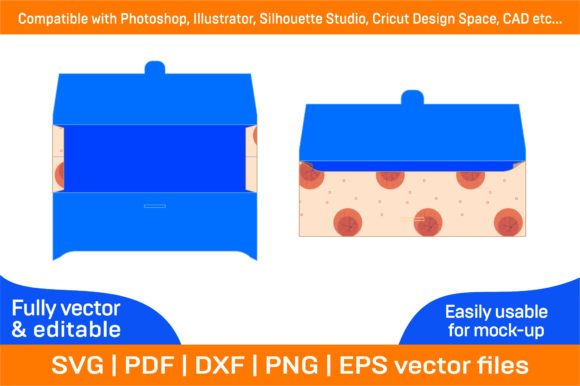
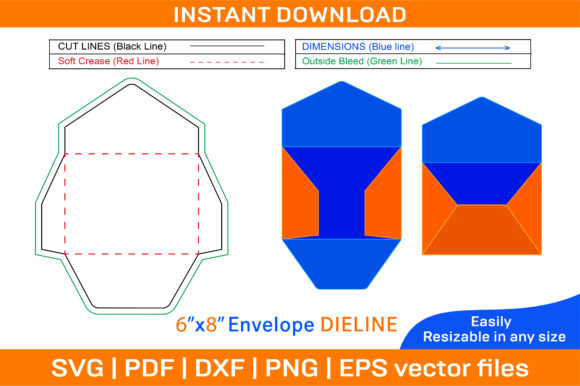
The envelope packaging dieline template is essentially a blueprint that outlines the dimensions, fold lines, and cut lines of an envelope. It serves as a guide for printers and manufacturers, ensuring that the final product is produced accurately. Without a well-designed dieline, even the most visually appealing envelope design may not translate correctly during the production process.
Key Features of a Good Envelope Packaging Dieline Template
A high-quality envelope packaging dieline template should include several essential elements. First, it must clearly define the size and shape of the envelope. Common sizes include standard letter envelopes (such as #10), business envelopes, and custom sizes tailored to specific needs. The template should also indicate where the flap will be folded, where the seal will be placed, and any areas that require special attention during printing or cutting.
Another important feature is the inclusion of bleed and trim areas. These are critical for ensuring that the printed design extends beyond the final cut line, preventing white edges or misaligned graphics. A well-constructed dieline will show where these areas are, allowing designers and printers to work together seamlessly.
Additionally, the envelope packaging dieline template should account for any die-cutting or embossing requirements. If the envelope includes unique shapes, such as rounded corners or custom cutouts, the dieline must reflect these details precisely. This helps avoid costly mistakes during the manufacturing phase.
How Envelope Packaging Dieline Templates Fit Into Modern Workflows
In today’s fast-paced design and production environments, the envelope packaging dieline template has become an indispensable tool. For businesses that rely on direct mail, e-commerce, or branded packaging, having a reliable dieline template ensures consistency across all shipments and enhances brand recognition.
Designers often use digital tools like Adobe Illustrator or InDesign to create and modify dielines. These programs allow for precise measurements and adjustments, making it easier to adapt templates for different envelope sizes or styles. By integrating the envelope packaging dieline template into their workflow, designers can streamline the process and reduce the likelihood of errors.
Moreover, the use of standardized dielines can improve collaboration between designers, clients, and manufacturers. When everyone involved in the project has access to the same template, communication becomes more efficient, and the risk of misinterpretation is minimized. This is especially important when working with international suppliers or outsourcing production to third-party vendors.
Practical Benefits of Using an Envelope Packaging Dieline Template
One of the most significant advantages of using an envelope packaging dieline template is cost savings. By ensuring that the design aligns perfectly with the manufacturing specifications, businesses can avoid reprints, wasted materials, and additional labor costs. This is particularly beneficial for companies that produce large volumes of envelopes regularly.
Another benefit is improved efficiency. With a pre-designed dieline, the time spent on planning and adjusting the layout is significantly reduced. This allows teams to focus more on creative aspects rather than technical details. Additionally, using a consistent template across multiple projects ensures that all envelopes maintain a uniform look and feel, reinforcing brand identity.
From a practical standpoint, the envelope packaging dieline template also helps in testing and prototyping. Before mass production, designers can print a sample envelope based on the dieline to check for fit, function, and visual appeal. This step can uncover potential issues early on, saving time and resources in the long run.
Considerations When Choosing or Creating an Envelope Packaging Dieline Template
When selecting or designing an envelope packaging dieline template, there are several factors to consider. The first is the type of envelope being used. Different styles—such as flat, self-mailers, or window envelopes—require distinct dielines. Understanding the specific requirements of each type is essential for accurate results.
Another consideration is the material being used. The thickness and texture of the paper or cardstock can affect how the envelope folds and seals. A dieline that works well for a lightweight paper may not be suitable for a heavier stock. It’s important to adjust the template accordingly to ensure proper functionality.
Finally, the intended use of the envelope should influence the choice of dieline. For example, a business envelope may need to accommodate a business card or other inserts, which requires additional space and structural considerations. Similarly, a promotional envelope may need to include windows or special features that impact the design layout.
Examples and Recommendations for Using Envelope Packaging Dieline Templates
For small businesses or startups, using a pre-made envelope packaging dieline template can be a cost-effective solution. Many online marketplaces and design platforms offer customizable templates that can be adapted to specific needs. These templates often come with detailed instructions, making them accessible even for those with limited design experience.
For larger organizations or those with complex packaging needs, investing in a custom envelope packaging dieline template may be more beneficial. Custom templates allow for greater flexibility and precision, ensuring that every detail aligns with the company’s branding and operational requirements. Working with a professional designer or printer can help create a template that meets exact specifications.
Regardless of the approach, it’s always a good idea to review the envelope packaging dieline template with the manufacturer before proceeding with production. This step can help identify any potential issues and ensure that the final product meets expectations.