Hexagonal Cardboard Box: A Unique Packaging Solution for Modern Businesses
In the world of packaging, innovation often comes in unexpected forms. One such example is the hexagonal cardboard box—a design that stands out for its geometric appeal and functional advantages. While traditional rectangular boxes have long dominated the market, the hexagonal shape offers a fresh alternative that can enhance both aesthetics and practicality. For businesses looking to differentiate their products, the hexagonal cardboard box presents a compelling option worth exploring.
What Makes Hexagonal Cardboard Boxes Unique?
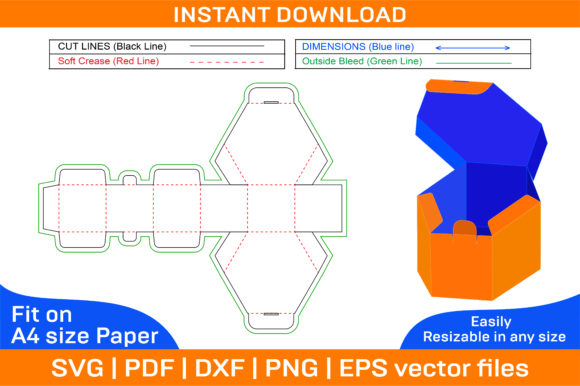
The hexagonal cardboard box derives its name from its six-sided structure, which creates a more compact and stable form compared to standard rectangular containers. This shape allows for efficient stacking and storage, reducing wasted space in warehouses and during shipping. Unlike square or rectangular boxes, the hexagonal design also provides a more visually striking presence on retail shelves, making it ideal for brands that want to capture attention through packaging.
One of the key benefits of the hexagonal shape is its structural integrity. The six sides distribute weight more evenly, offering greater resistance to compression and impact. This makes the hexagonal cardboard box particularly suitable for delicate or high-value items that require extra protection during transit.
Key Characteristics and Practical Value
Hexagonal cardboard boxes are typically made from corrugated fiberboard, a material known for its durability and recyclability. The manufacturing process involves cutting and folding the cardboard into the hexagonal shape, which requires precise engineering to ensure stability and consistency. This level of craftsmanship contributes to the overall quality of the product, making it a reliable choice for commercial use.
From a usability standpoint, the hexagonal design can be both an advantage and a challenge. While the shape enhances visual appeal, it may require adjustments in how products are arranged inside. For instance, items that are not symmetrical may need custom inserts or padding to fit securely. However, this also opens up opportunities for creative packaging solutions that align with brand identity and consumer expectations.
Real-World Performance and Reliability
When tested under typical shipping conditions, hexagonal cardboard boxes demonstrate strong performance. Their unique geometry allows them to withstand pressure from stacked loads without deforming, which is especially important for e-commerce and retail environments. Additionally, the reduced surface area of a hexagonal box compared to a square one can lead to lower material costs and more efficient use of resources.
However, it’s important to note that the effectiveness of these boxes depends on proper design and construction. Poorly made hexagonal boxes may suffer from structural weaknesses, leading to damage during transport. Businesses should work with experienced manufacturers who understand the nuances of this shape to ensure optimal results.
Who Benefits Most from Hexagonal Cardboard Boxes?
Hexagonal cardboard boxes are particularly well-suited for industries that prioritize visual impact and sustainability. E-commerce brands, for example, can use these boxes to create unboxing experiences that stand out in a competitive market. Artisans, luxury goods sellers, and specialty food producers often find that the hexagonal shape complements their product offerings, reinforcing a sense of quality and uniqueness.
Small businesses and startups may also benefit from using hexagonal boxes as a way to differentiate themselves from larger competitors. The distinctiveness of the design can help build brand recognition and customer loyalty. Additionally, the eco-friendly nature of cardboard makes it an attractive option for environmentally conscious consumers.
Considerations for Implementation
Before adopting hexagonal cardboard boxes, businesses should evaluate their specific needs and constraints. Factors such as product size, weight, and handling requirements will influence whether this packaging solution is appropriate. For example, bulkier or heavier items may require additional reinforcement or alternative packaging formats.
Another consideration is the availability of suppliers. Not all packaging companies offer hexagonal boxes, so businesses may need to seek out specialized manufacturers. This could result in higher initial costs or longer lead times, which should be factored into the decision-making process.
Long-Term Value and Sustainability
From a long-term perspective, hexagonal cardboard boxes offer several advantages. Their efficient use of materials reduces waste, and their recyclability supports sustainable business practices. As consumers become increasingly aware of environmental issues, packaging choices can play a significant role in shaping brand perception and customer trust.
Moreover, the durability of these boxes ensures that they can be reused or repurposed in various ways. Some businesses have found creative applications for used hexagonal boxes, such as storage solutions or decorative elements, further extending their lifecycle and value.
Final Thoughts on Hexagonal Cardboard Boxes
The hexagonal cardboard box represents a thoughtful approach to packaging that balances form and function. Its unique design offers visual appeal, structural strength, and environmental benefits, making it a viable option for a wide range of industries. However, its success depends on careful planning, quality manufacturing, and alignment with business goals.
For those considering this packaging solution, it’s essential to weigh the potential advantages against practical challenges. Whether it’s for branding, logistics, or sustainability, the hexagonal cardboard box can be a valuable addition to any product strategy. By understanding its strengths and limitations, businesses can make informed decisions that support their long-term success.